
What is pronation in arm wrestling? Pronation is turning the forearm so the palm rotates down and inward, and supination is the opposite turn, with the palm rotating up and outward. Both are forearm rotation, and in a match they decide who controls the angle of the hands.
Pronation drives toproll-style pulling, and supination supports hook-style pulling. The exercises have their own page, linked below.
What is pronation in arm wrestling?
Hold your arm out with the elbow bent and the thumb up, as in the starting grip. Now turn the palm down. That turn is pronation. The turn happens in the forearm, not in the wrist alone.
In arm wrestling, pronation turns your hand over the opponent’s hand. It keeps their wrist from curling in, and it lets your fingers pull theirs back and away. This is the base of the toproll. The pronator muscles on the inner side of the forearm do the turning, and finger strength holds the position.
What is supination in arm wrestling?
Supination is the opposite turn. From the thumb-up position, turn the palm up. The biceps and a small muscle on the outer forearm do most of this turn.
In arm wrestling, supination supports the pull of the hook and the cupping movement. Turning the hand outward and curling the wrist in lets the hand wrap around the opponent’s hand and pull it in.
Pronation vs supination
| Feature | Pronation | Supination |
|---|---|---|
| Turn | Palm rotates down and inward | Palm rotates up and outward |
| Supports | Toproll-style pulling, attacks on the fingers | Hook-style pulling, cupping |
| Main work | Pronator muscles on the inner forearm | Biceps and the supinator on the outer forearm |
| Trained with | Pronator, Half Pronator, wrist wrench | Twister, wrist wrench |
Neither turn is more important in general. The right balance depends on your style, and strong pullers train both directions.
How the turn works in the grip
The turn happens around the forearm, with the elbow planted on the pad.
- Grip: take the grip palm to palm with the thumb knuckle visible, and keep the fingers wrapped while the forearm turns.
- Hand and wrist: keep the wrist straight while you rotate. A bent wrist turns the movement into cupping or a weaker roll.
- Arm and elbow: the elbow stays on the pad. The rule book gives a foul when it lifts, so the forearm makes the turn, not the elbow.
- Body: keep the shoulders square, the legs braced and the back pulling. The turn gets its power from the forearm and its support from the body.
Why is pronation important in arm wrestling?
The two hands start in the middle, with the thumbs up. From there, the fight is partly a fight over rotation. Whoever turns the hands in their favour controls the angle of the opponent’s wrist and fingers.
- Strong pronation keeps your hand on top and keeps the opponent’s wrist from curling in.
- It lets you attack the opponent’s fingers, which is the base of toproll.
- It can help you resist a hook, because your hand stays turned over theirs.
- It still needs fingers, a firm wrist and a back that pulls. Pronation alone does not win.
How to train pronation and supination
Train both turns with slow reps against a load. Keep the elbow tucked and still, so the forearm does the turning. Warm up first and control the weight on every rep. The sets and reps are a starting point; adjust them to how you feel.
The exercises have their own pages. Use the pronation and supination exercises for a step-by-step set, and the wrist wrench guide to learn the wrench. The wrist and forearm exercises add related movements.
When pronation fails and how to counter it
A strong pronator can still be stopped.
- Take the grip first, deep, with the fingers closed. A deep grip with closed fingers gives pronation less to work on.
- Cup the wrist and hook their hand, so it cannot keep turning over. See the hook guide.
- Use side pressure to move their hand off its line. See back pressure and side pressure.
- Keep your elbow planted. Pronation that lifts the elbow off the pad is a foul.
The right equipment for pronation and supination
The Pronator is a pronation handle for forearm rotation work, and it weighs 300 g. The Half Pronator is a pronation handle too, and the colour of the handle and the strap may vary. The Twister is a forearm rotation trainer for pronation and supination work, and it weighs 150 g. The Wrist Wrench 70 is a handle you turn against a load, which suits pronation and supination work.
-
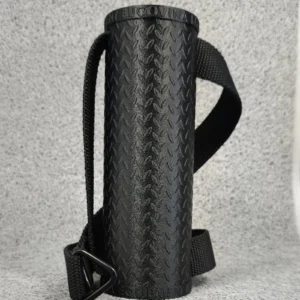 Wrist Wrench 70€ 15,00
-
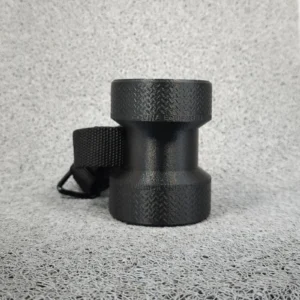 Twister€ 7,00
-
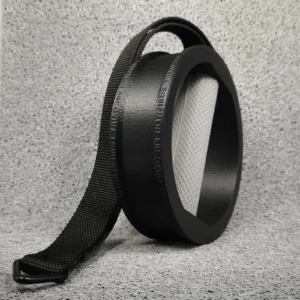 Pronator€ 15,00
-
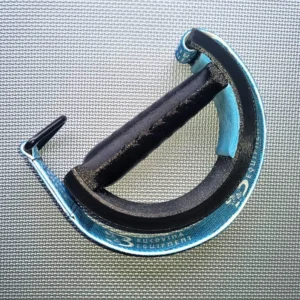 Half Pronator€ 20,00
Free shipping to EU countries from EUR 100. Dispatch within 24 hours on working days. See all of them in the pronation category and the supination category.
Questions
What is pronation in arm wrestling?
Pronation is the inward turn of the forearm, with the palm rotating down. It turns your hand over the opponent’s hand and is the base of the toproll.
What is supination in arm wrestling?
Supination is the outward turn of the forearm, with the palm rotating up. It supports the hook and the cupping movement.
What is the difference between pronation and supination?
They are opposite forearm turns. Pronation turns the palm down and inward. Supination turns the palm up and outward.
Why is pronation important in arm wrestling?
It controls the angle of the hands. Strong pronation keeps your hand on top, keeps the opponent’s wrist from curling in and lets you attack their fingers.
How do I pronate my wrist or forearm?
With the elbow bent and the thumb up, turn the palm down. The turn comes from the forearm, not from the wrist alone. Train it with slow reps against a load.
What is a pronator handle?
A pronator handle is a handle that you turn inward against a load to train pronation. See the pronation tools.