
Para armwrestling is the part of the World Armwrestling Federation (WAF) rule book with its own classes for athletes with an impairment. This guide shows the para classes, which table each class uses, and the rules for sit-down matches and for deaf and blind athletes. It sums up the WAF rule book, version 2026, in plain English.
What is para armwrestling?
The WAF rule book lists its own classes for para-athletes, each as a right-arm and a left-arm event. Para-athletes cannot register in the classes for able athletes. Every para class has a table, either sit-down or stand-up.
In its classification rules (2022 edition) the WAF says it only recognises a sport class that was allocated through international classification, and that it appoints certified classifiers to evaluate athletes.
Para classes and tables
The 2026 rule book gives these classes. The weight classes of each one are in the rule book and in our weight classes guide.
| Class | Name in the rule book | Table |
|---|---|---|
| PID | Physical impairment | Sit-down |
| PIU | Physical impairment | Stand-up |
| PIDH | Physical impairment with upper limbs impairment | Sit-down |
| PIUH | Physical impairment with upper limbs impairment | Stand-up |
| VI | Visual impairment | Stand-up |
| HI | Hearing impairment | Stand-up |
| CPD | Cerebral Palsy impairment athletes | Sit-down |
| CPU | Cerebral Palsy impairment athletes | Stand-up |
The sit-down table is 71.1 cm (28 in) from the floor to the top of the table, and the stand-up table is 101.6 cm (40 in). All other specifications are identical for both tables. The full measurements are in the armwrestling table guide.
Sit-down matches: chair and referee rules
Sit-down classes are for people who cannot stand or who use a wheelchair. The rule book sets these rules for the sit-down classes for physically impaired athletes.
- All competitors use wheelchairs or standard chairs.
- There is no set height limit for a wheelchair or a wheelchair with a cushion, as long as it fits under the table and gives the competitor no advantage.
- One part of the buttock must stay in contact with the chair or cushion at all times. Losing contact is a foul.
- If necessary, a coach or helper may help a competitor onto the stage and set them at the table. The helper must leave the stage straight away and may only come back if the referee calls them back or declares the match over.
- A seated match has 4 referees: 2 for the tabletop and 2 to hold the chairs and watch for seated fouls.
The rule book also says that the referees may give a disabled competitor some allowances. For the other rules of a match, see the competition rules.
Deaf and blind athletes: HI and VI classes
Both championships follow the ordinary WAF rules, with these changes.
Hearing impairment (HI)
- To enter the championships for the deaf you must be registered deaf.
- During the set-up the referees only use hand signals and do not speak to the competitors.
- To start the match, the referee takes one hand off the grip and gives a thumbs-up for about one or two seconds. Then the referee takes the other hand off the grip at the same time as the thumbs-up ends. This replaces the words “Ready… Go” and is done in silence.
Visual impairment (VI)
- To enter the championships for the blind you must be registered blind.
- Visually impaired competitors must wear an eye mask or blindfold.
In both championships the referees do not have to give a warning for a dangerous position. They may just stop the match.
Straps and supports in the rules
The WAF rule book says wrist wraps, straps, elbow bandages and supports are not permitted on arms in competition, with limited exceptions in the rule book. See the straps and belts guide.
Armwrestling equipment
Our general armwrestling training tools are listed below. The Training Belt connects your hand or a handle to a cable, pulley or loading pin. The Core Frame holds the cores on a 16 mm rod. The Hand is a hand-shaped handle that comes in Left, Right, and Left and Right as a pair. The handles guide explains the handle types, and the pulley and cable guide shows a home set-up. To practise on a table at home, choose the sit-down or the stand-up height from the table guide.
Browse all armwrestling equipment.
-
 HandPrice range: € 15,00 through € 30,00
-
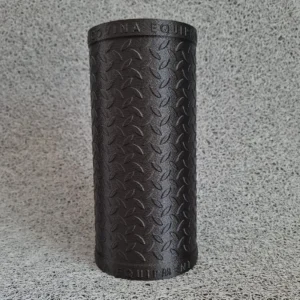 Cylindrical Core€ 15,00
-
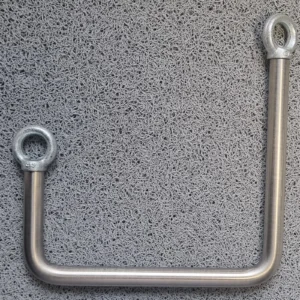 Core Frame€ 30,00
-
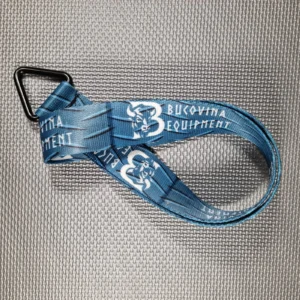 Training Belt€ 5,00
Free shipping to EU countries from EUR 100. Dispatch within 24 hours on working days.
Questions
What is para armwrestling?
Para armwrestling events under WAF rules are for athletes with an impairment. The rule book has its own classes, each as a right-arm and a left-arm event, with a sit-down or a stand-up table.
Which classes are there in para armwrestling?
The 2026 rule book lists PID, PIU, PIDH, PIUH, VI, HI, CPD and CPU. The table above shows which table each class uses.
Is there a sit-down armwrestling table?
Yes. The sit-down table is 71.1 cm (28 in) high, and the stand-up table is 101.6 cm (40 in). All other specifications are the same. See the armwrestling table guide.
Can para-athletes compete in the classes for able athletes?
No. The rule book says that para-athletes cannot register in the classes for able athletes.
How does a deaf athlete know when the match starts?
The referee gives a silent signal. One hand comes off the grip with a thumbs-up for about one or two seconds, and the other hand comes off as the thumbs-up ends. This replaces the words “Ready… Go”.
May a helper assist a competitor at the table?
Yes, if necessary. A coach or helper may help the competitor onto the stage and set them at the table, then must leave the stage straight away.
Where can I read the rules myself?
The WAF publishes the rule book as a PDF on its rules page: WAF rules.